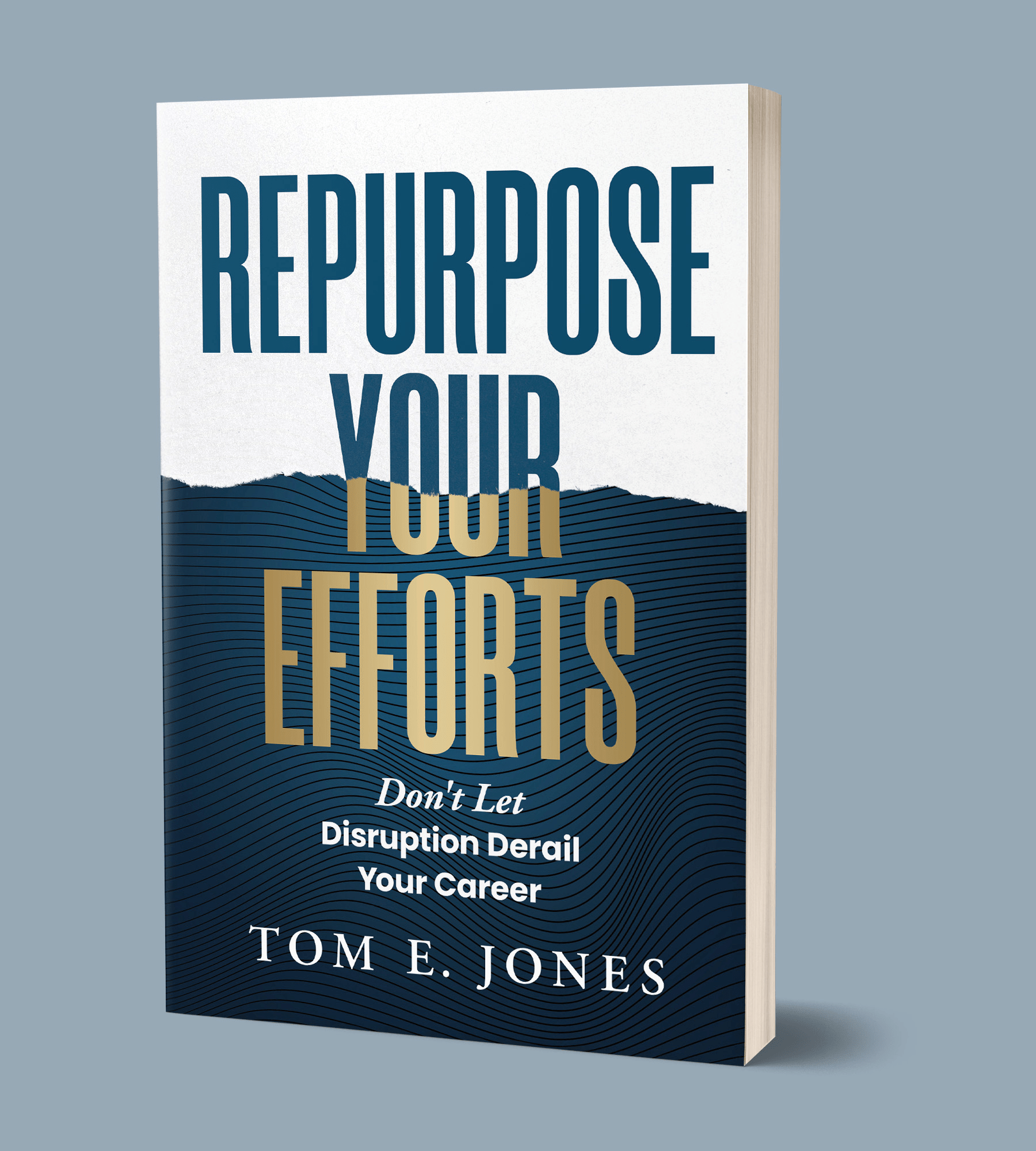
It is sometimes easier for people to accept a moralizing story than a straightforward analysis because they don’t have to figure out the underlying lesson. For example, I like to use nautical terminology when I’m trying to teach people about organizational change. I sometimes describe a motorboat moving at high speed into uncharted waters to illustrate how a typical organization handles change.
As I explain the application, participants often personalize the type and size of the boat to more accurately describe what was going on in their workplace. One group, for example, came up with the following colorful depiction using the motorboat analogy.
Without warning the boat suddenly changed course causing some of the crew to loose balance and fall in the water. The loss of weight lightened the boat, which enabled it to move faster. Encouraged by the surge of power, the skipper made more high-speed turns losing more crew members each time.
As the abandoned crewmembers struggled to stay afloat, the hapless skipper steered the boat into uncharted waters where pirates were waiting to steal the cargo. In a state of panic, the skipper cut back on the throttle and ordered the remaining crew to repel boarders. Fighting off a takeover was a radical change in tactics. The few remaining crew reacted in radical ways. Some jumped ship leaving the old hands to fend off the pirates. Others, not wanting to rock the boat, signed on with the new masters.
In keeping with the nautical theme I’ve outlined the six common stages in the life of a modern company.
Stage 1 – Getting Underway: Moored to the dock the powerful, seaworthy craft floats high in the water. Supplies are hefted aboard and stowed below deck. The skipper takes the helm, as the crew gets ready to deploy. Excitement mounts as the engine pounds. The throttle’s shoved forward and the boat starts to move. The captain commands, “cast off, let go all lines,” and the bow swings free.
Stage 2 – Charting the Cruise: The captain maneuvers past buoys and markers toward open water. Under full power the boat leaves the sheltered harbor. The hatches are battened down and the cargo secured. The charts are unfurled and the sextant is readied. A prime route is chosen, and the course is laid out. The navigator sets the heading, the orders are posted, and the crew plans their day.
Stage 3 – Positioning the Crew: The crew takes their stations as the boat churns through the water. The cargo is shifted to keep the boat in trim. The crew learns to stay balanced, while tending the engine, checking the supplies, and keeping watch for privateers. The lookout scans the horizon, searching for storm clouds and floating hazards.
Stage 4- Changing Course: A dangerous object looms dead ahead. The skipper pulls the wheel sharply. The boat leans hard to port, catching the crew off balance. Some lose footing and fall over board. Fewer crewmembers mean a lighter load and a faster boat. When the boat picks up speed, the skipper is pleased. More high-speed maneuvers take their toll on the over-worked crew so the skipper heads into port for a rest. The missing crew is replaced, stores are replenished, and more cargo is stacked on the deck.
Stage 5 – Running Aground: New crewmembers set about learning the ropes as the skipper heads back out to sea. Just outside the breakwater the boat encounters a pirate ship lurking off shore. The pirates are waiting to plunder the cargo and capture the crew. The crew takes up battle stations to fend off an attack. Dodging salvos and broadsides, the skipper reverses course heading for safety in port. Too late, the water is shallow and the bottom draws near. The boat hits the reef and is stuck hard and fast.
Stage 6 – Abandoning Ship: The engine strains but the hull is stuck fast. Repeated high tides fail to float the boat free. The crew jumps overboard. Clutching their life vests, they drift away. The exhausted skipper shuts down the engine. The boat is deserted all hope is abandoned. The wreck is left for the pirates to plunder.
Select the stage that most closely matches what might be happening where you work. Then develop a nautical theme to open up a team discussion about how your company handles change. The fun begins when people pick up on your intentions and jump into the story. Don’t be surprised, however, if they add bits and pieces to create their own version.